Effective Strategies for RPZ Valve Maintenance
Reduced Pressure Zone (RPZ) valves are critical components in water systems. They protect potable water supplies from contamination caused by backflow. Proper maintenance of these valves ensures safety and compliance with water regulations. I will share effective strategies for RPZ valve maintenance that help keep systems running smoothly and legally compliant.
Understanding RPZ Valve Maintenance
RPZ valves prevent contaminated water from flowing back into clean water supplies. They are commonly used in commercial and industrial settings. Regular maintenance is essential to ensure they function correctly.
Maintenance involves inspection, testing, cleaning, and repair. Each step is important. Inspections identify visible damage or wear. Testing checks the valve’s ability to prevent backflow. Cleaning removes debris that can affect performance. Repairs fix any faults found during inspection or testing.
A typical maintenance schedule includes:
Visual inspection every 6 months
Testing annually or as required by local regulations
Immediate repair if any issues are detected
Following this schedule helps avoid costly failures and legal penalties.

Key Steps in RPZ Valve Maintenance
To maintain RPZ valves effectively, I follow a clear process:
Preparation
Shut off the water supply and relieve pressure before starting. Gather necessary tools and replacement parts.
Visual Inspection
Check for leaks, corrosion, cracks, or physical damage. Look at the valve body, test cocks, and relief valve.
Functional Testing
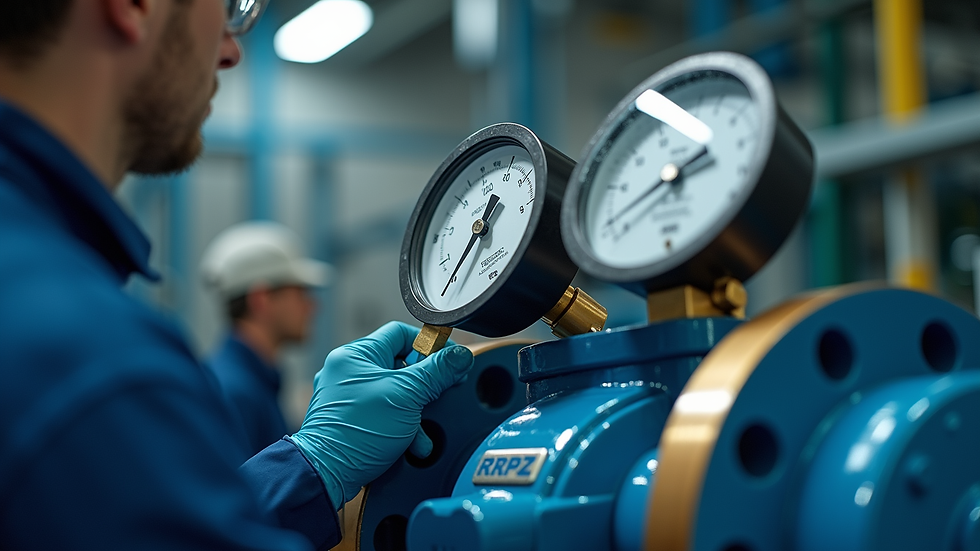
Use a differential pressure gauge to test the valve’s operation. This involves opening test cocks and measuring pressure drops. The valve must maintain a specific pressure difference to pass.
Cleaning
Remove any debris or mineral deposits inside the valve. Use appropriate cleaning agents that do not damage valve components.
Repair or Replace Parts
Replace worn or damaged seals, springs, or diaphragms. If the valve is beyond repair, replace it entirely.
Documentation
Record all findings, test results, and maintenance actions. This documentation is essential for compliance and future reference.
Following these steps ensures the valve remains reliable and compliant.
Common Issues and How to Address Them
RPZ valves can develop several common problems. Knowing how to identify and fix these issues is crucial.
Leaking Relief Valve
This often indicates debris or a faulty seal. Cleaning and replacing the seal usually resolves it.
Failure to Maintain Pressure
This suggests internal damage or worn parts. Testing helps pinpoint the cause. Repair or replacement is necessary.
Corrosion
Corrosion weakens the valve body and components. Inspect regularly and replace corroded parts promptly.
Sticking or Jammed Valve
Mineral buildup or debris can cause the valve to stick. Cleaning and lubrication can restore function.
Regular maintenance helps catch these issues early before they cause system failure.
Why Professional RPZ Valve Servicing Matters
While some maintenance tasks can be done in-house, professional servicing offers several advantages:
Expertise
Professionals understand the complexities of RPZ valves and local regulations.
Proper Equipment
They use calibrated testing devices and approved cleaning materials.
Compliance Assurance
Certified technicians provide documentation that meets legal requirements.
Safety
Professionals handle pressurised systems safely, reducing risk of injury or damage.
For businesses in Lancashire and surrounding areas, I recommend using trusted services like rpz valve servicing lancashire to ensure thorough and compliant maintenance.
Best Practices for Long-Term RPZ Valve Performance
To maximise the lifespan and reliability of RPZ valves, I suggest these best practices:
Schedule Regular Maintenance
Stick to inspection and testing intervals recommended by manufacturers and regulations.
Train Staff
Ensure personnel understand basic valve operation and signs of failure.
Keep Spare Parts
Stock common replacement parts to reduce downtime during repairs.
Monitor Water Quality
Poor water quality accelerates valve wear. Use filtration if necessary.
Document Everything
Maintain detailed records of all maintenance activities and test results.
Implementing these practices helps avoid unexpected failures and keeps water systems safe.
Ensuring Compliance and Safety with RPZ Valve Maintenance
Maintaining RPZ valves is not just about equipment care. It is a legal and safety obligation. Water regulations require regular testing and certification of backflow prevention devices. Failure to comply can lead to fines, legal action, and health risks.
By following effective maintenance strategies, businesses can:
Protect potable water supplies from contamination
Meet legal requirements for water safety
Avoid costly emergency repairs and downtime
Demonstrate due diligence in water compliance
I encourage all organisations to prioritise RPZ valve maintenance as part of their water safety management.
Maintaining RPZ valves is straightforward when you follow a clear, consistent approach. Regular inspection, testing, cleaning, and timely repairs keep valves working properly. Professional servicing adds expertise and compliance assurance. By adopting these strategies, you ensure water safety and regulatory compliance for your organisation.


Comments